
Get Grease Trap Pumping in Denver, CO
Grease trap pumping services for Denver-area property owners remove accumulated fats and solids, preventing clogs and backups in commercial kitchens and food service facilities.
Grease trap pumping services are essential for maintaining the proper function of commercial kitchens, restaurants, and food service establishments in Denver, CO. Regular pumping helps prevent the buildup of fats, oils, and grease that can clog plumbing systems, leading to costly backups and potential health hazards. Property owners who prioritize this work often seek to ensure their operations run smoothly, minimizing disruptions and avoiding emergency repairs that can impact their business and reputation.
In addition to operational efficiency, grease trap pumping offers several practical benefits. It enhances safety by reducing the risk of foul odors and plumbing failures, while also contributing to improved curb appeal by maintaining a clean, odor-free environment. Regular maintenance can extend the lifespan of plumbing infrastructure, reduce ongoing maintenance needs, and promote a safe, functional space that supports the overall success of the property.
- Grease Trap Pumping Services - Needed when restaurant kitchens or food service facilities require regular removal of accumulated fats and oils.
- Grease Trap Pumping Services - Essential for commercial properties in Denver and surrounding areas to prevent plumbing blockages and sanitary issues.
- Grease Trap Pumping Services - Suitable for facilities experiencing foul odors or slow drainage caused by grease buildup.
- Grease Trap Pumping Services - Required during routine maintenance to ensure compliance with local health and sanitation regulations.
- Grease Trap Pumping Services - Necessary when upgrading or replacing grease interceptors to maintain proper function and prevent overflows.
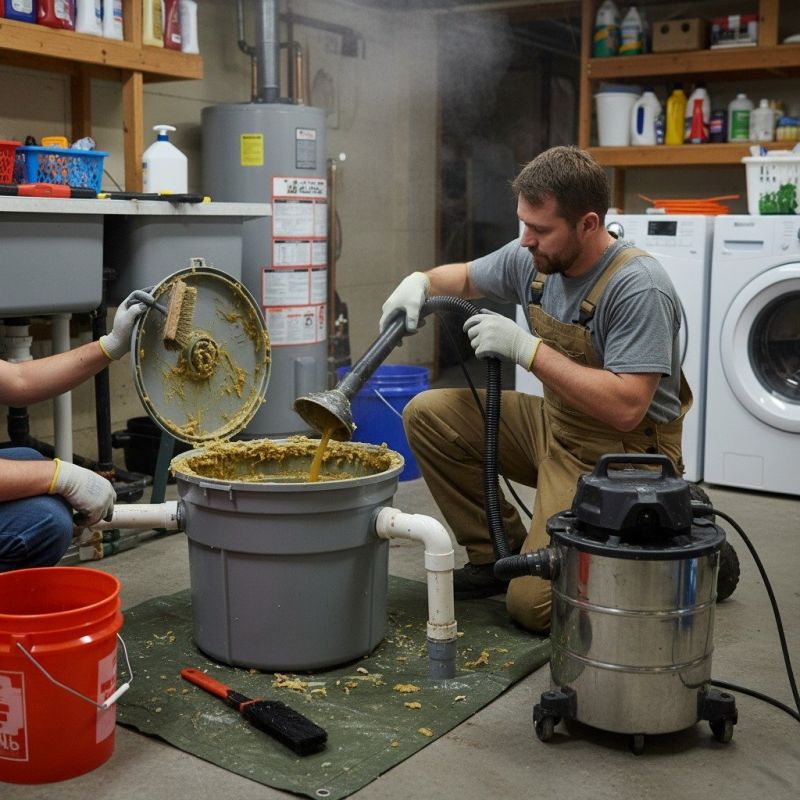
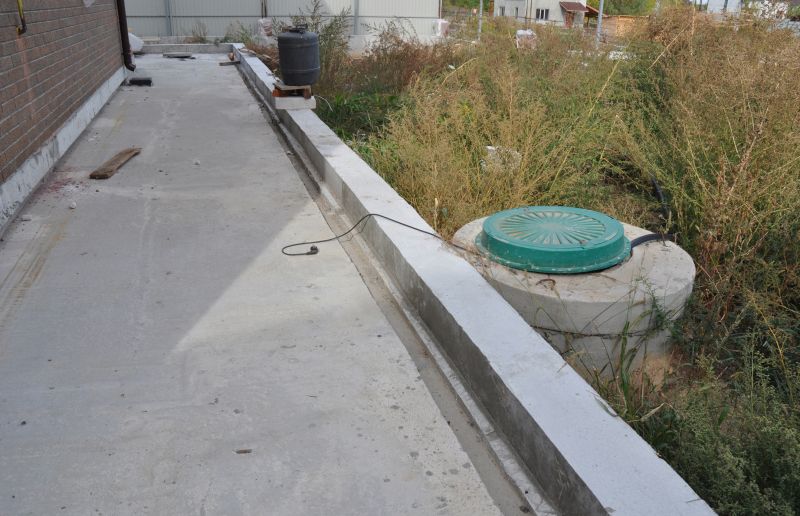
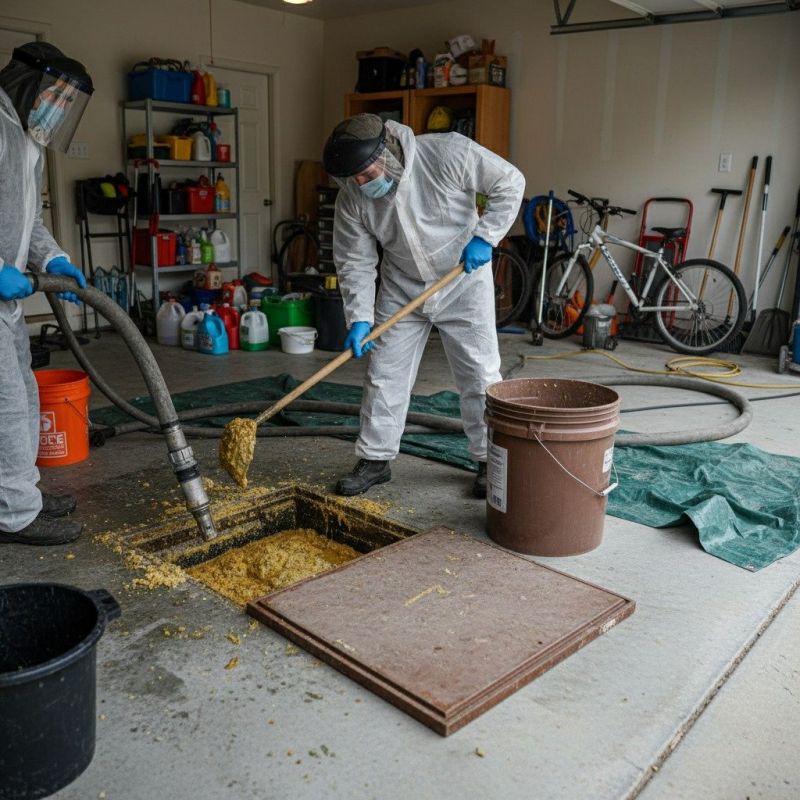
Grease trap pumping services involve the removal of accumulated fats, oils, and grease (FOG) from commercial and industrial grease traps. These services typically include the scheduled extraction of waste buildup to prevent overflow and blockages. Professional service providers use specialized equipment to safely and efficiently pump out the contents of grease traps, ensuring they remain clean and functional. Regular pumping helps maintain proper operation, reduces foul odors, and minimizes the risk of costly plumbing issues caused by FOG buildup.
These services address common problems associated with grease traps, such as clogs, foul odors, and overflows that can disrupt business operations. When grease traps become too full, they can cause backups in plumbing systems or even lead to violations of local health and sanitation codes. By removing the accumulated waste, grease trap pumping helps prevent these issues, maintaining a hygienic environment and ensuring compliance with local regulations. Proper maintenance also extends the lifespan of the grease trap and associated plumbing infrastructure.
Properties that typically use grease trap pumping services include restaurants, cafeterias, catering facilities, and other food service establishments. Commercial kitchens, hotels, and grocery stores also rely on these services to manage FOG effectively. Additionally, food processing plants and large-scale catering operations often require regular grease trap maintenance to keep their operations running smoothly. These services are essential for any property where food preparation generates significant amounts of FOG that could otherwise cause plumbing problems or environmental concerns.
Contacting local service providers for grease trap pumping can help property owners and managers keep their systems in optimal condition. Professional technicians bring the necessary expertise and equipment to perform thorough cleaning and maintenance. Regular service schedules can be established to prevent issues before they arise, supporting ongoing compliance and operational efficiency. For properties in Denver, CO, and nearby areas, connecting with experienced professionals ensures that grease trap management is handled effectively and reliably.
The overview below groups typical Grease Trap Pumping projects into broad ranges so you can see how smaller, mid-sized, and larger jobs often compare in Denver, CO.
In many markets, a large share of routine jobs stays in the lower and middle ranges, while only a smaller percentage of projects moves into the highest bands when the work is more complex or site conditions are harder than average.
Cost Range - Grease trap pumping services typically cost between $150 and $400 per service, depending on the size of the trap and location. Larger traps or commercial properties may see costs upward of $500. Prices vary based on service complexity and accessibility.
Factors Affecting Price - The total cost can fluctuate based on the trap’s size, condition, and the frequency of service required. Difficult-to-reach traps or those in remote locations may incur additional fees. Local service providers can provide specific estimates based on individual needs.
Average Service Fees - On average, residential grease trap pumping costs around $200 to $300 per session. Commercial sites with larger or multiple traps might see costs ranging from $400 to $600. Costs are influenced by the volume of waste and service intervals.
Additional Charges - Extra charges may apply for emergency or after-hours services, or if the trap requires extensive cleaning beyond standard pumping. Some providers include disposal fees in their quoted prices, which can vary by location and waste volume.
Actual totals will depend on details like access to the work area, the scope of the project, and the materials selected, so use these as general starting points rather than exact figures.
Grease Trap Pumping services involve removing accumulated fats, oils, and solids from grease traps to ensure proper functioning. Local service providers specialize in maintaining commercial and industrial grease management systems.
Commercial Kitchen Maintenance includes grease trap pumping as part of regular cleaning routines to prevent blockages and odors in restaurant and food service establishments. Contractors offer scheduled pumping to meet health and safety standards.
Waste Removal Services encompass the safe extraction and disposal of waste collected from grease traps. Local providers ensure compliance with waste regulations during the pumping process.
Plumbing and Drain Cleaning services often include grease trap pumping to clear buildup that can cause drainage issues in commercial facilities. Experts help maintain unobstructed waste flow and prevent backups.
Food Service Facility Maintenance involves routine grease trap pumping to support hygiene and operational efficiency in restaurants, cafeterias, and catering businesses. Service providers assist with regular upkeep schedules.
Environmental Waste Management services include the proper handling and disposal of waste collected during grease trap pumping. Local specialists ensure environmentally compliant practices are followed.
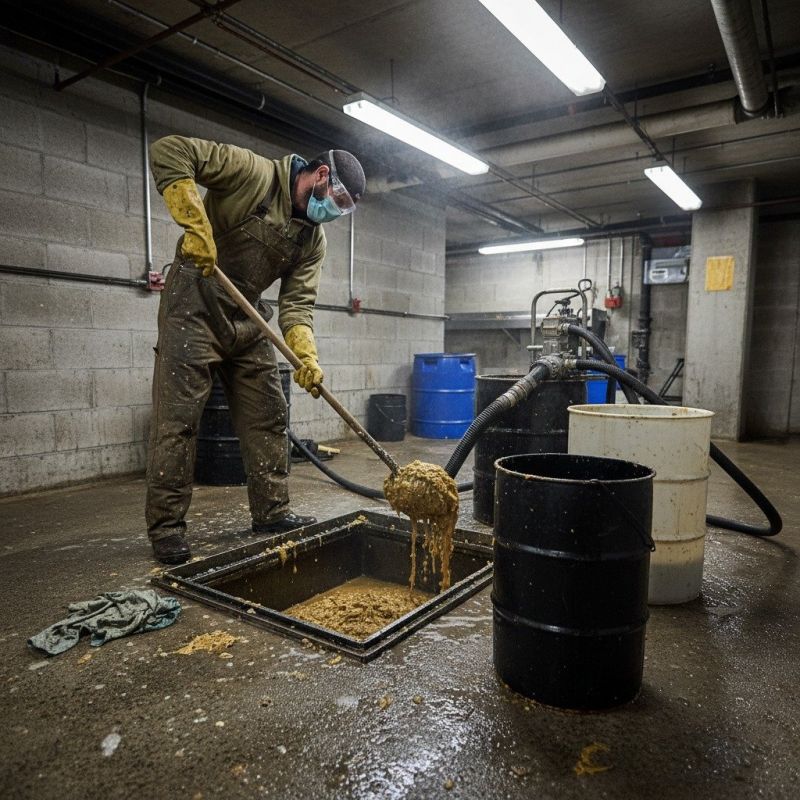
When evaluating local professionals for grease trap pumping services, experience is a key factor to consider. Homeowners should look for service providers with a proven track record in handling grease trap maintenance, ensuring they are familiar with the specific requirements of various systems. Reputable pros often have extensive histories working within the community or region, which can be a helpful indicator of their reliability and familiarity with local regulations and conditions.
Clear communication and well-defined expectations are essential when working with a service provider. Homeowners are encouraged to seek professionals who provide detailed information about their services, including what to expect during the appointment and any preparatory steps needed beforehand. Establishing open lines of communication helps ensure that both parties are aligned on the scope of work and can address any questions or concerns efficiently.
References from other clients can provide valuable insights into the quality of a pros’ work and their professionalism. Reputable local providers often have a list of references or reviews that can be verified to assess past performance. Additionally, a professional's ability to communicate effectively, respond promptly, and offer transparent information contributes to a positive service experience. Homeowners should consider these factors to find a local pros who best meets their grease trap pumping needs.
Property owners in Denver, CO use Grease Trap Pumping services for practical projects around their homes and businesses. The sections below highlight everyday jobs and straightforward project options.
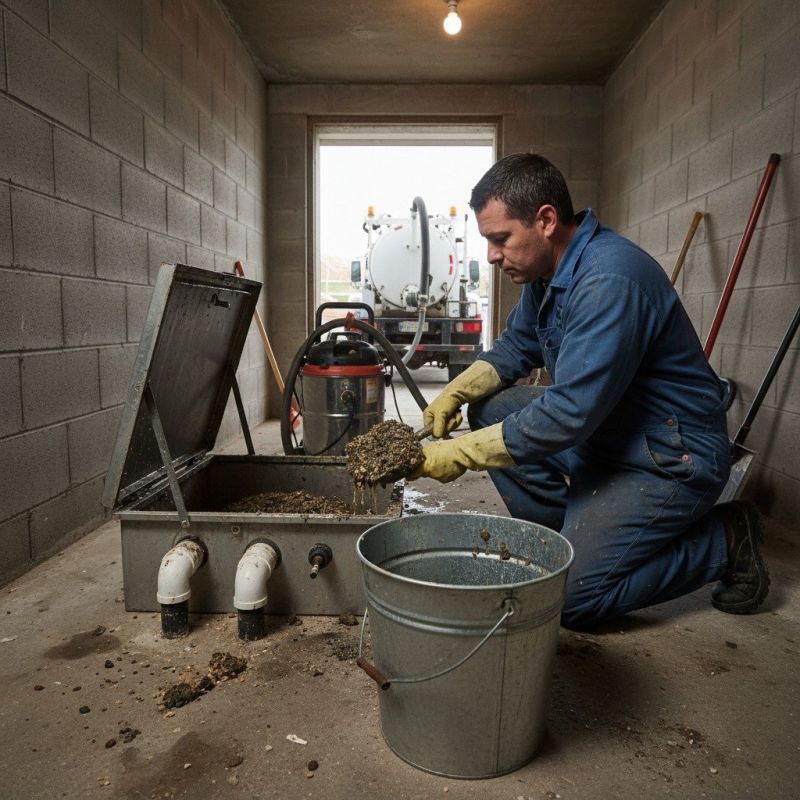
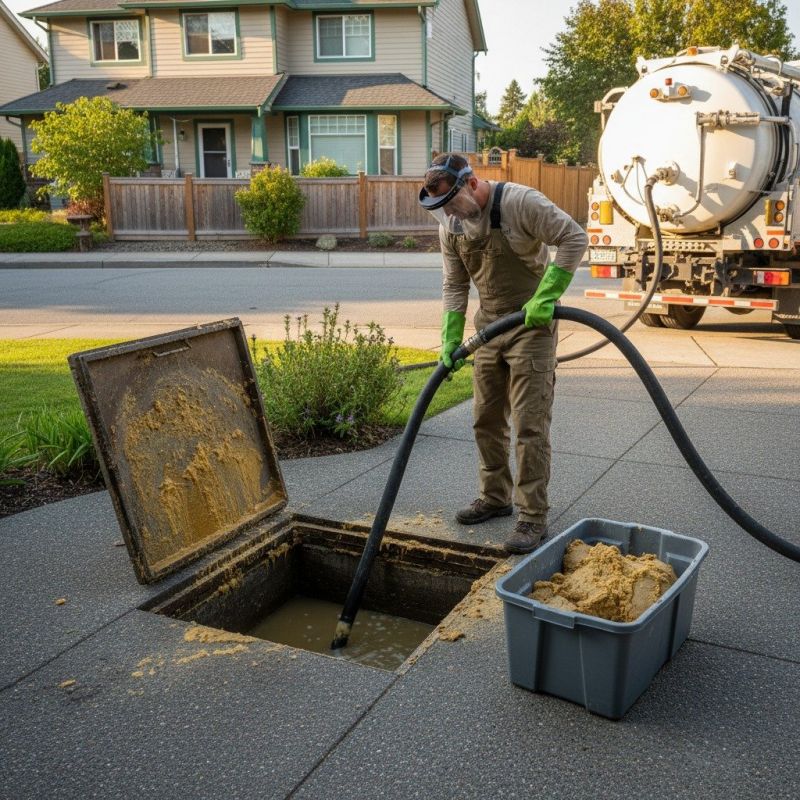
Grease trap pumping services are commonly needed by property owners managing restaurants, cafes, and commercial kitchens in Denver, CO. Regular pumping helps prevent grease buildup that can lead to clogs, backups, and foul odors, ensuring smooth kitchen operations and compliance with local health regulations. Property managers and business owners often seek professional assistance to maintain their grease traps and avoid costly plumbing issues that could disrupt their daily activities.
Additionally, property owners of apartment complexes, hotels, and industrial facilities may look for grease trap pumping to keep their wastewater systems functioning properly. Routine maintenance by local service providers can help prevent overflows and environmental hazards, especially in areas with high food service activity. Engaging experienced professionals ensures that grease traps are cleaned efficiently and thoroughly, supporting ongoing property operations and sanitation standards.
How often should grease trap pumping be scheduled? The frequency of pumping depends on the size of the trap and the volume of use, but typically it is recommended to have it serviced every 3 to 6 months. Contact local service providers to determine the best schedule for a specific facility.
What signs indicate a grease trap needs pumping? Signs include foul odors, slow drainage, or standing grease around the trap area. A professional inspection can identify when pumping is necessary to prevent system backups.
Are there regulations regarding grease trap maintenance? Regulations vary by location, but many areas require regular maintenance to prevent plumbing issues and environmental contamination. Local pros can provide guidance on applicable requirements.
What types of grease traps are available for commercial properties? Common types include gravity grease traps, hydromechanical traps, and automatic grease removal systems. Service providers can recommend suitable options based on specific needs.
How can I prepare for grease trap pumping service? Clearing access to the trap and removing any debris around the area can facilitate a smoother service process. Contact local pros for specific preparation instructions.
Grease Trap Pumping Benefits - Regular pumping helps prevent blockages and backups, maintaining smooth operation of plumbing systems. Local service providers can assist with scheduling and performing maintenance.
Signs You Need Grease Trap Pumping - Foul odors, slow drains, or standing water may indicate the need for professional grease trap cleaning services.
Choosing a Service Provider - It’s important to select experienced local pros who understand industry standards for effective grease trap maintenance.
Scheduling Grease Trap Pumping - Contact local specialists to establish a routine maintenance schedule that suits the needs of commercial and industrial facilities.
Considering Grease Trap Pumping for a property in Denver, CO? The sections above highlight common project types, practical options, and details that often shape the scope of work.
When you are ready, use the quote form to share a few details about your project. Local pros can review the basics and respond with options that match what you have in mind.