
Get Plumbing Line Installation
Plumbing line installation services involve local contractors replacing or adding pipes to fix leaks, improve water flow, or support new plumbing projects in residential or commercial properties.
Property owners considering plumbing line installation often recognize the importance of a reliable and efficient system. Whether planning a new construction project, upgrading existing infrastructure, or addressing aging pipes, finding skilled local contractors can help ensure the work meets practical needs and long-term durability. Exploring options in the area allows property owners to compare expertise and services, making informed decisions that support the ongoing functionality of their property’s plumbing system.
By reviewing available local service providers who specialize in plumbing line installation, property owners can identify professionals equipped to handle a variety of project requirements. Keeping informed about the local options helps in planning and selecting a contractor that aligns with the specific demands of the property, providing confidence that the work will be completed to standard. Continue exploring to discover the resources and connections needed to move forward with your plumbing projects.
- New Plumbing Line Installation - needed when replacing outdated or damaged pipes to ensure reliable water flow.
- Kitchen Plumbing Line Setup - required during kitchen remodels or new appliance installations that need proper water connections.
- Bathroom Plumbing Line Replacement - essential when upgrading fixtures or addressing persistent leaks and water pressure issues.
- Outdoor Plumbing Line Installation - necessary for landscaping projects, irrigation systems, or outdoor water features.
- Commercial Plumbing Line Services - needed for office or retail space updates that require extensive or specialized piping systems.
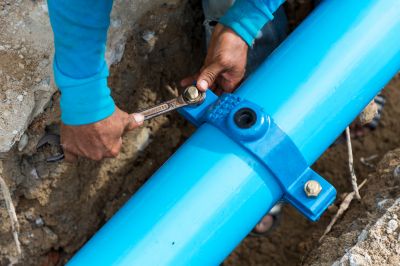
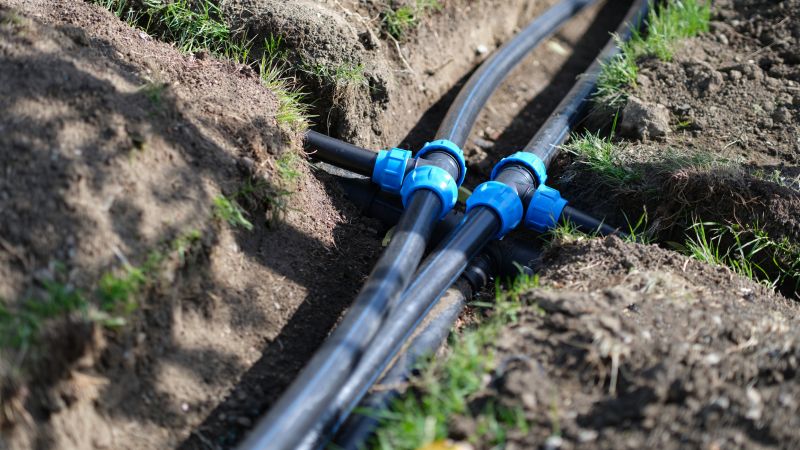
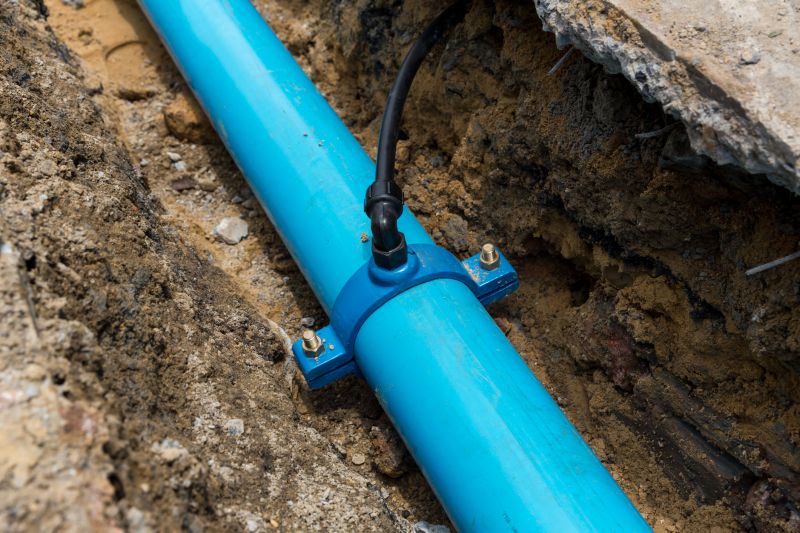
Plumbing line installation services involve setting up the network of pipes that deliver fresh water into a property and carry wastewater away. This process includes selecting appropriate piping materials, planning the layout to ensure efficient water flow, and installing fixtures such as sinks, toilets, and appliances. Skilled service providers ensure that the entire system is properly connected, sealed, and tested to prevent leaks and ensure reliable operation. Proper installation is essential for maintaining a functional plumbing system that meets the specific needs of a property.
These services help resolve common plumbing issues such as inadequate water pressure, frequent leaks, or frequent clogging caused by poorly designed or damaged pipe systems. Installing new lines may also be necessary when renovating a home, adding new bathrooms or kitchens, or upgrading outdated plumbing infrastructure. By ensuring that the plumbing lines are correctly installed, property owners can avoid costly repairs and disruptions caused by plumbing failures. Local contractors can assess existing systems and recommend the best solutions to improve overall plumbing performance.
Plumbing line installation is typically required in a variety of property types, including single-family homes, multi-unit residential buildings, commercial spaces, and new construction projects. Homes undergoing renovations or additions often need new or upgraded piping to accommodate increased water demand or modern fixtures. Commercial properties, such as restaurants or offices, may require specialized plumbing setups to meet their operational needs. Regardless of the property size or type, experienced service providers have the expertise to handle different installation requirements efficiently and effectively.
Homeowners might consider plumbing line installation services when building a new property, replacing aging pipes, or experiencing persistent plumbing problems. Signs that a property may need new plumbing lines include frequent backups, low water pressure, or visible leaks. Consulting with local contractors can help determine whether existing systems need upgrading or if new lines should be installed to meet current building codes and household demands. Connecting with qualified service providers ensures that the plumbing system is installed correctly, providing peace of mind and reliable performance for years to come.
The overview below groups typical Plumbing Line Installation projects into broad ranges so you can see how smaller, mid-sized, and larger jobs often compare in your area.
In many markets, a large share of routine jobs stays in the lower and middle ranges, while only a smaller percentage of projects moves into the highest bands when the work is more complex or site conditions are harder than average.
Smaller Repairs - Typical costs for routine plumbing line repairs, such as fixing leaks or replacing a section of pipe, generally range from $250 to $600. Many small jobs fall within this middle range, but prices can vary depending on the extent of the damage and accessibility.
Mid-Range Installations - Installing new plumbing lines or replacing existing ones in a standard home usually costs between $1,000 and $3,000. Most projects are completed within this range, though larger or more complex setups can push costs higher.
Full Replacement - Replacing all the plumbing lines in a home or undertaking extensive renovations can range from $4,000 to $8,000 or more. These larger projects are less common but are necessary for older or severely damaged plumbing systems.
Larger, Complex Projects - Very extensive or custom plumbing installations, such as in new construction or major remodeling, can reach $10,000 or more. Such projects are less frequent but handled by local contractors with specialized experience.
Actual totals will depend on details like access to the work area, the scope of the project, and the materials selected, so use these as general starting points rather than exact figures.
Bathroom Plumbing Renovations - these projects require precise pipe installation and layout planning similar to plumbing line installation services.
Kitchen Plumbing Upgrades - upgrading or rerouting water lines in kitchens involves skills in pipe fitting and system design comparable to plumbing line work.
Water Heater Installation - installing or replacing water heaters involves connecting water lines and ensuring proper flow, aligning with plumbing line installation expertise.
Drainage System Installations - setting up drainage lines for residential or commercial properties shares planning and installation skills with plumbing line projects.
Sewer Line Repairs - repairing or replacing sewer lines requires knowledge of underground pipe systems similar to those used in plumbing line installation.
Hydronic Heating System Setup - installing hydronic systems involves laying out and connecting complex piping networks akin to plumbing line installation tasks.
When selecting a service provider for plumbing line installation, it's important to consider their experience with similar projects. Homeowners should look for local contractors who have a proven track record of handling plumbing installations comparable to the scope of the work needed. This background can provide insight into their familiarity with specific challenges and the best practices for ensuring a reliable, long-lasting installation. Asking for details about past projects or examples of completed work can help gauge whether a contractor’s expertise aligns with the requirements of the job.
Clear written expectations are essential to ensure that both parties understand the scope, materials, and methods involved in the plumbing line installation. Homeowners should seek out local service providers who are willing to provide detailed estimates or project outlines that specify what will be done, the materials to be used, and any other relevant details. Having this information in writing helps prevent misunderstandings and provides a reference point throughout the project, fostering transparency and accountability.
Reputable references and good communication are key factors in choosing a dependable contractor. Homeowners can ask potential service providers for references from previous clients or examples of similar projects. Reliable local contractors should be willing to share contact information or testimonials that demonstrate their professionalism and quality of work. Additionally, clear and consistent communication throughout the process helps ensure that questions are answered and concerns addressed promptly, contributing to a smoother experience from start to finish. The site’s role is to introduce homeowners to qualified local options, not to perform the work directly.
Property owners use Plumbing Line Installation services for practical projects around their homes and businesses. This guide focuses on everyday jobs and straightforward project options.
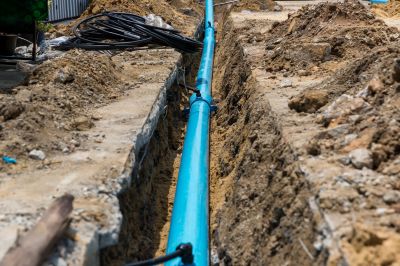
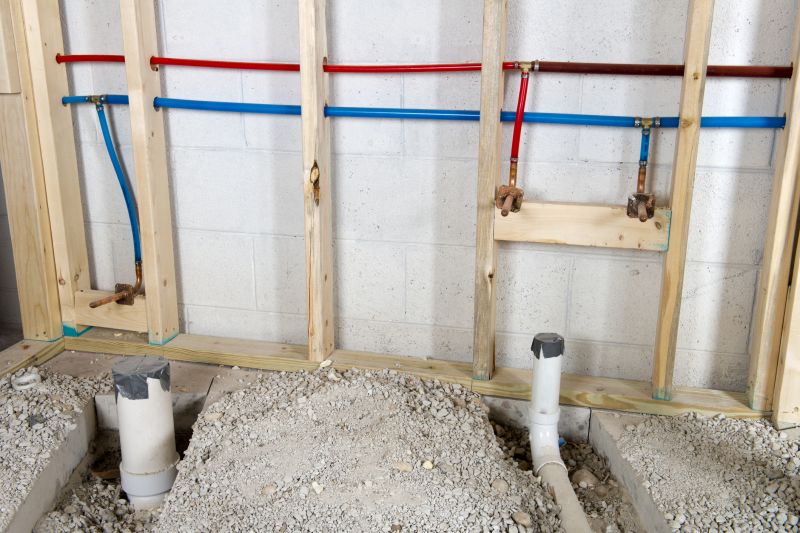
Plumbing line installation services are often needed during major property upgrades, new construction projects, or when existing pipes become outdated or damaged. Property owners may seek local contractors to replace old, corroded pipes or to install new lines for additions like home extensions, kitchens, or bathrooms. These projects typically require expert handling to ensure proper function and prevent future issues, making experienced service providers a valuable resource for maintaining a reliable plumbing system.
In addition, property owners might look for plumbing line installation when experiencing persistent leaks, low water pressure, or frequent pipe failures. Whether upgrading to modern piping materials or rerouting lines to accommodate renovations, local contractors can help address these common challenges. Connecting with qualified service providers ensures that installation work is performed correctly, supporting the ongoing functionality and safety of the property’s plumbing infrastructure.
What is involved in plumbing line installation? Plumbing line installation includes setting up new pipes and fittings to supply water or remove waste from a building, ensuring proper connections and compliance with local standards.
How do I know if new plumbing lines are needed? Signs such as frequent leaks, low water pressure, or outdated pipes may indicate the need for new plumbing lines, and local contractors can assess your system.
What types of pipes are used in plumbing line installation? Common pipe materials include copper, PVC, and PEX, each suitable for different applications and preferences, as recommended by local service providers.
Are plumbing lines typically installed during a renovation or for new construction? Plumbing line installation can be part of both renovation projects and new construction, depending on the scope of the work required by property owners.
What should I consider when choosing a contractor for plumbing line installation? It's important to review a contractor’s experience, reputation, and ability to handle your specific project requirements when selecting a service provider.
New Home Plumbing Installation - Property owners building a new house can rely on local contractors to install essential plumbing lines for kitchens, bathrooms, and laundry areas.
Kitchen or Bathroom Remodels - When updating a kitchen or bathroom, property owners may need new plumbing lines to accommodate modern fixtures and appliances.
Fixture Replacement or Upgrades - Replacing outdated or damaged plumbing lines can improve water flow and prevent leaks in existing plumbing systems.
Emergency Line Repairs - In case of a burst or leaking pipe, property owners can have local service providers handle urgent repairs to restore functionality.
If you are thinking about Plumbing Line Installation for a property, this guide is meant to help you understand the work, the typical project types, and how different options might fit your plans.
When you are ready, you can use the quote form on this page to share a few details about your project. From there, local pros can review the basics and respond with options that match what you have in mind.